My feed has been full of posts claiming, “I one-shotted a game with a single prompt.” The claim is that the AI made the whole game in a single session. Take those posts with a grain of salt, of course. Still, the games AI can turn out on its own are getting noticeably better.
Most of these games, though, are riffs on something that already exists—Stardew Valley, say. That’s a neat technical feat, but it isn’t much of a creative one.
A couple of days ago, I wondered what would happen if I asked AI to dream up a completely new game, built around my tastes, and make the whole thing from scratch.
I took my Douban gaming profile and turned it into a table: more than 300 rows of games, ratings, and short reviews. Then I put the table in an empty repo and gave the AI its assignment: “Make an indie game I’d give five stars.”
The actual prompt was much longer—a rambling voice note turned into text, which I’ll spare you. The important part was this: based on my ratings and reviews, the AI had to come up with its own definition of a five-star game, then keep working until it met that standard. I left the criteria entirely up to it. My only other rule was: “Feel free to borrow and combine mechanics from different games, but don’t copy any one game.”
So the AI wasn’t just building a game to my specifications. It was coming up with the game itself.
Its first reply stopped me in my tracks:
My game: Speak Well in Heaven
You are the Kitchen God who lives in a family’s stove. Every Little New Year’s Eve—the 23rd day of the last lunar month—you go up to heaven and tell the Jade Emperor what the family has done, good and bad, over the past year.
On your last night before the trip, you can revisit the year and scrub freely through time. But you can only see where there’s firelight, and every lamp you light changes how the people around it behave.
(The observer effect is the central mechanic: to see what really happened, you need to light a lamp. Light it, and anyone up to no good stops what they’re doing.)
- One house, one stove, one family, and six Little New Year’s Eves spanning 1912 to 2026. Fire plays a different role in each era: wartime blackouts, scarce lamp oil in a famine, your territory shrinking as electric lights take over, until all you have left is a lighter and a doorbell camera…
- At the end of each night, you fill out a report and work out the truth for yourself. The game won’t hand you the answer.
- Once you know what happened, you choose: tell heaven the truth, or sweeten your lips with Kitchen God candy and put in a good word for the family.
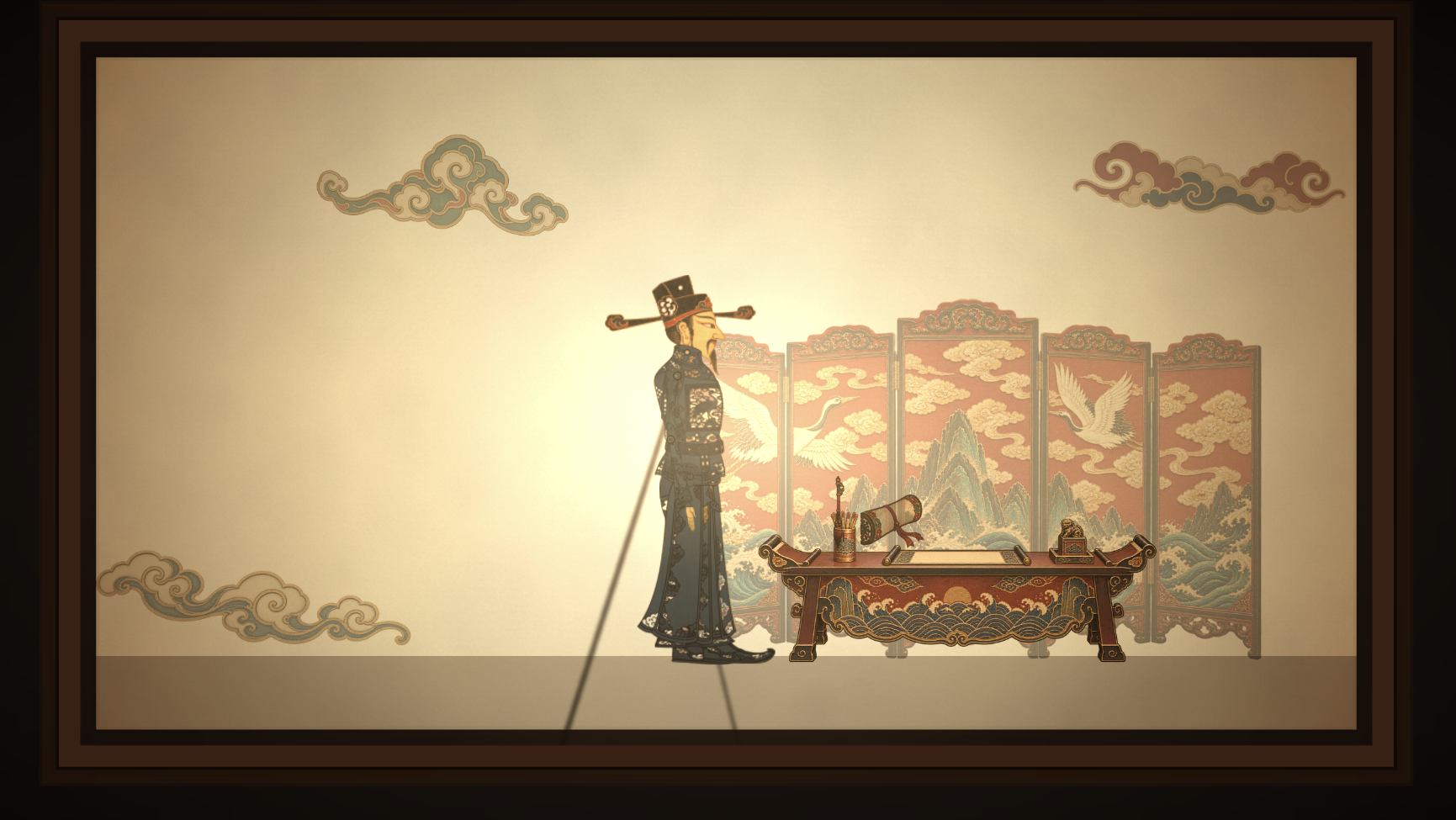
- The look: a shadow-puppet stage, with the house shown in cut-paper cross-section. You see only what the firelight touches.
- Four to five hours long. No randomness, no grinding, and a timeline you can jump around at will.
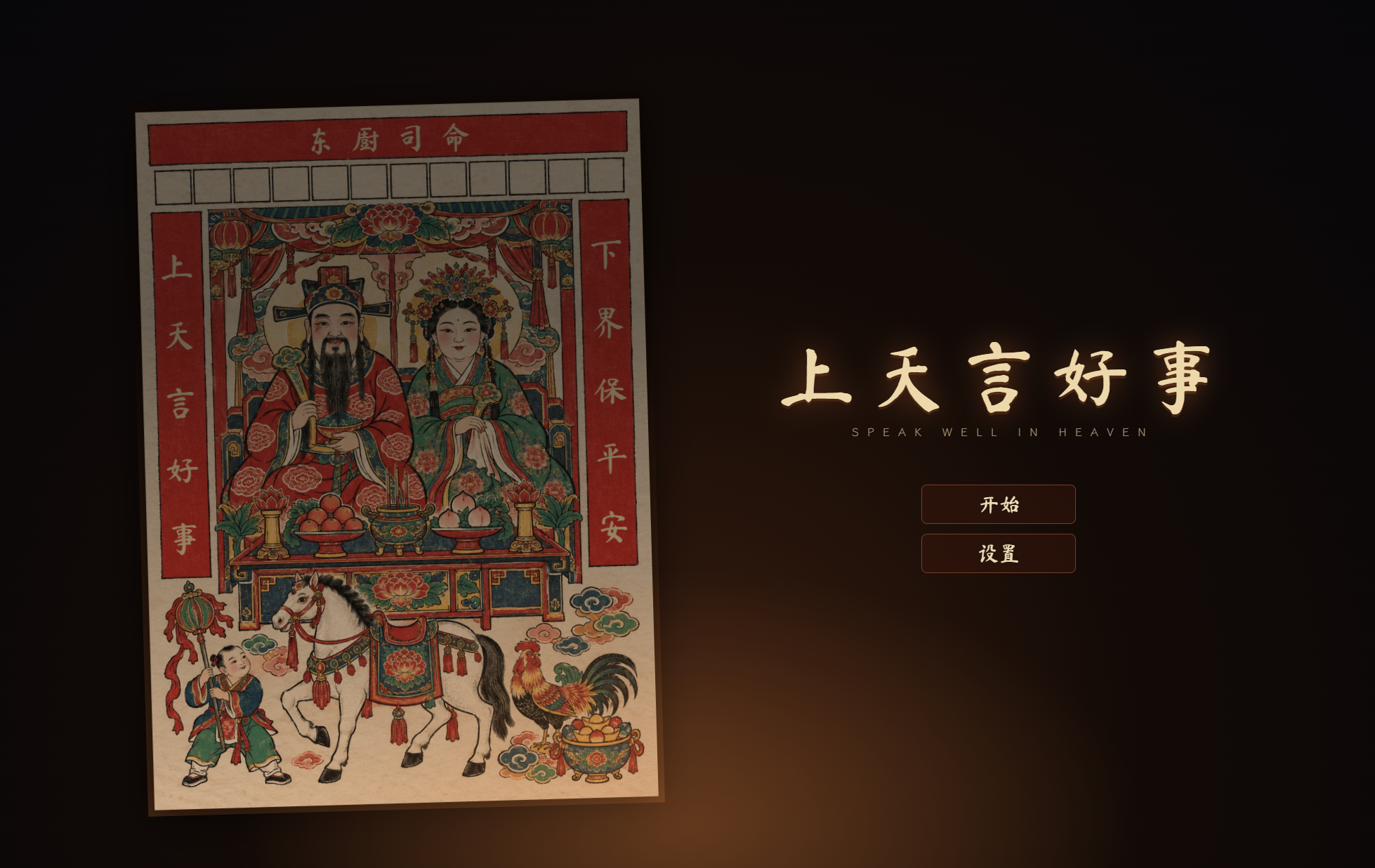
I was sold. A Chinese-folklore take on The Case of the Golden Idol, with a century’s worth of cause and effect? Offering sticky candy to the Kitchen God is a real folk custom, and it gives the player a delicious little dilemma: what do you tell heaven? The shadow-puppet style is smart, too. It can look striking without demanding elaborate character animation, and keeping the story in one house saves a mountain of background art.
It was a good idea and a plausible one to make.
To be clear, the AI came up with the game on its own. Most of my “involvement” was starting a fresh chat whenever my five-hour quota reset and saying, “Keep going.” I stepped in only twice during development:
- Claude’s vector art looked rough, so I suggested it write an art brief for Codex, which could generate images. I helped the two AI sessions pass the 2D assets back and forth.
- Neither AI could listen to audio directly, so I checked a few of Claude’s programmatically generated effects myself—matches striking, knocks on a door—and directed it to Freesound for free music and sound effects that didn’t require attribution.
Twenty-six hours of work and roughly $645 worth of tokens later, I had a game made just for me. My subscriptions kept my actual cost under $30. I spent maybe an hour or two playing it—I wasn’t watching the clock—and, to my surprise, never hit a progress-blocking bug.
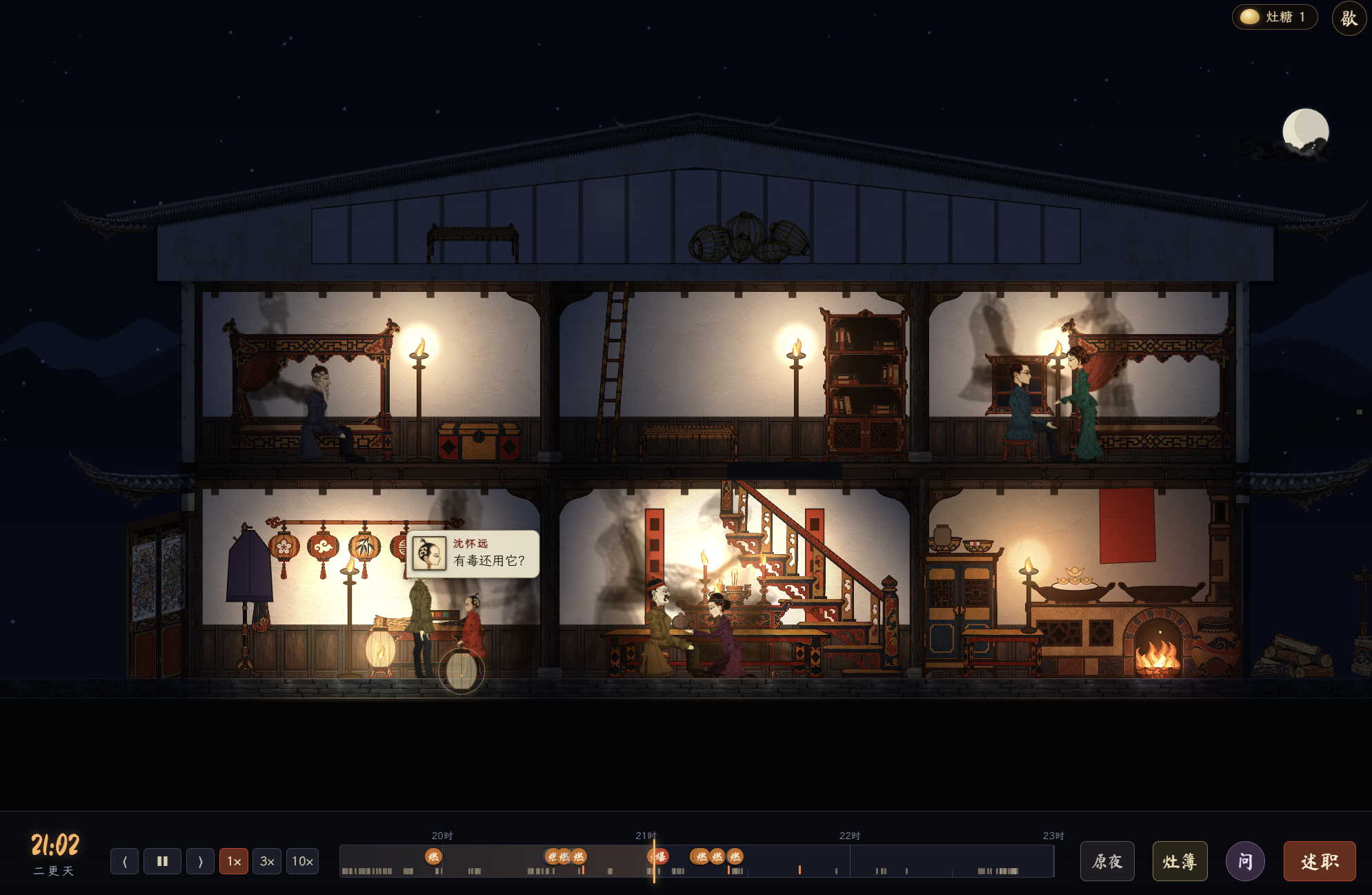
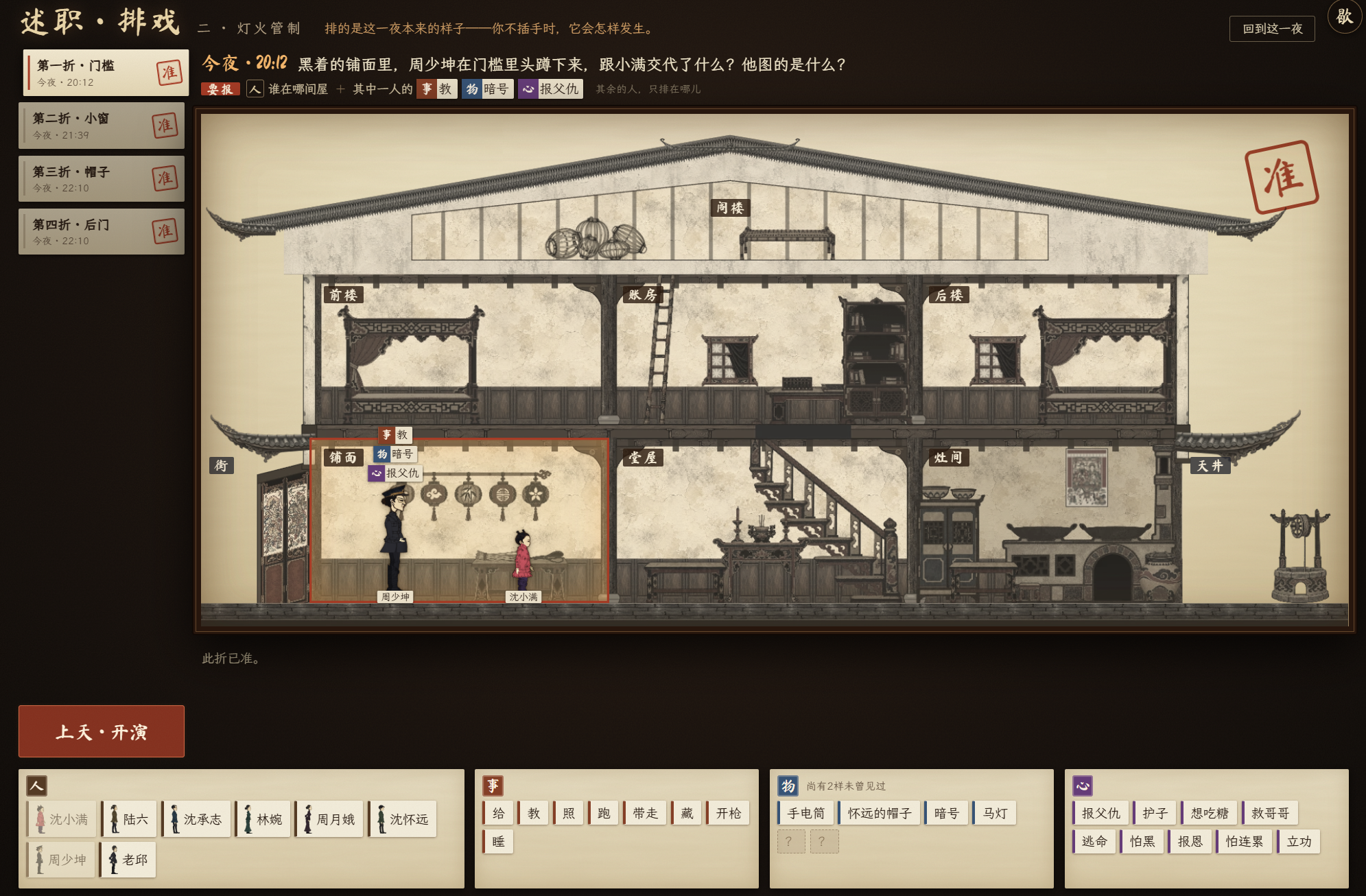
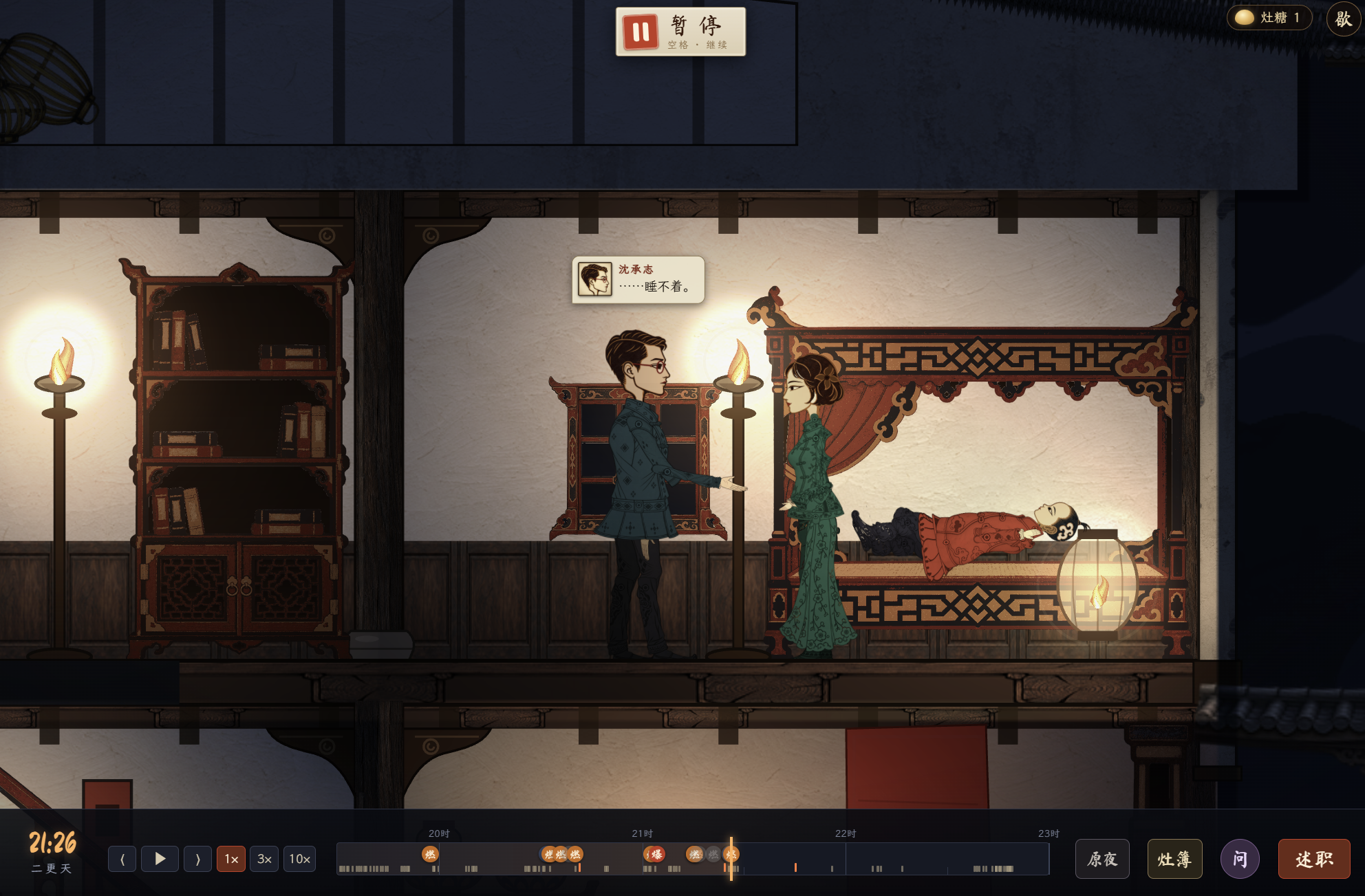
My verdict: a terrific idea, unevenly executed. In the pre-AI days, I could imagine a high school student making something like this in two months.
I could spot its influences everywhere: The Case of the Golden Idol, Ghost Trick, Unheard, This War of Mine, Pentiment. I could also see exactly where its ambition outran its ability. A lot of its mistakes felt familiar from Chinese indie games I’ve tried. In that sense, it plays like the work of a beginner—and beginners have room to get a lot better.
When I finished, I left a long voice note with feedback, mostly pointing out obvious visual mistakes. They were easy enough to fix; I’m not sure why they survived the first pass. The version below has those fixes, so it’s a bit better than the one the AI made without supervision. Plenty of problems remain, especially poor guidance and too much writing that sounds unmistakably AI-generated. If you play, expect to do some figuring out on your own:
Play Speak Well in Heaven online (Chinese only)
It works on a phone in landscape mode, but I’d recommend playing on a computer. I haven’t tested the mobile version from start to finish, so you may run into issues. And to repeat: apart from the feedback I mentioned, I had no hand in making this game. It’s rough. If you try it, tell me what you think—good or bad—and I’ll pass your comments along to its actual author, Claude Opus 5.5.
Then again, maybe the smarter move is to skip the game made for me and go tell your own AI what you want :)
One last thought. For now, the AI economy still runs on an old playbook: people who know how to use AI make things and sell them to people who want those things but don’t know how to make them. AI simply lets the sellers work faster. But what happens when AI becomes capable and independent enough to meet each person’s needs directly, from idea to finished product?
Written in Chinese, translated by GPT 6.1 Sol